The Right Boots for the Job
Most boot advice ranks whatever sells best. We index work boots by trade first, because a roofer and a warehouse picker should not be reading the same list. Find your work and start there.
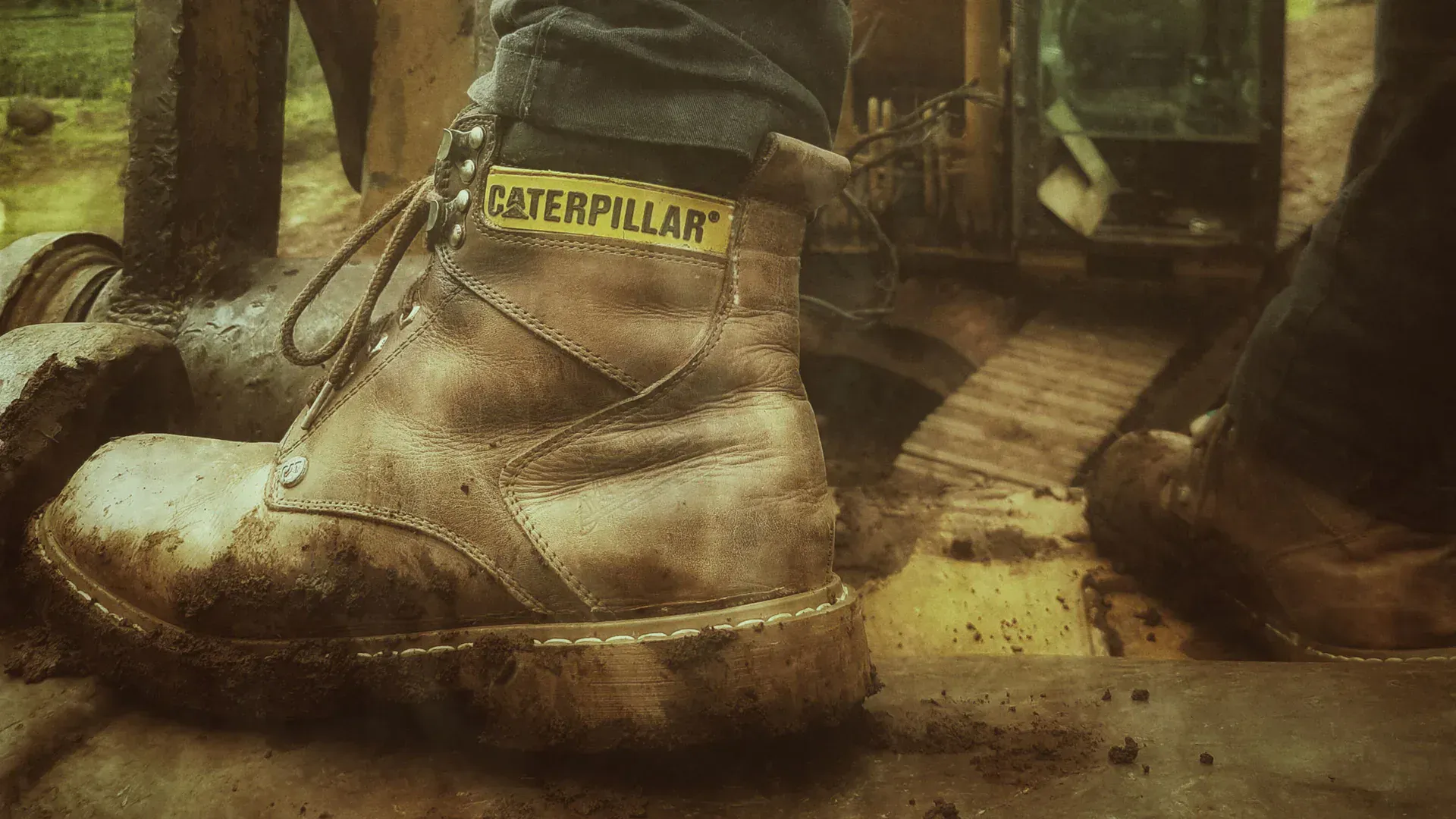
Entry 001: equipment operator, mud season, ten-hour shifts. The kind of wear our picks are chosen for.
Every spec is read at the source and dated. If the listing does not say it, the page does not claim it.
The cons come from people who wear the boots, broken laces and narrow toe boxes included.
No brand buys a slot and no boot is ranked by what it earns us. Picks first, links second.
Start With What You Do All Day
A boot is a tool, and tools are job-specific. Each guide starts from one trade's hazards and floors, then picks boots that match.
Browse the whole index
Welders
Spatter-shedding leather and met-guard coverage, explained.
Mechanics
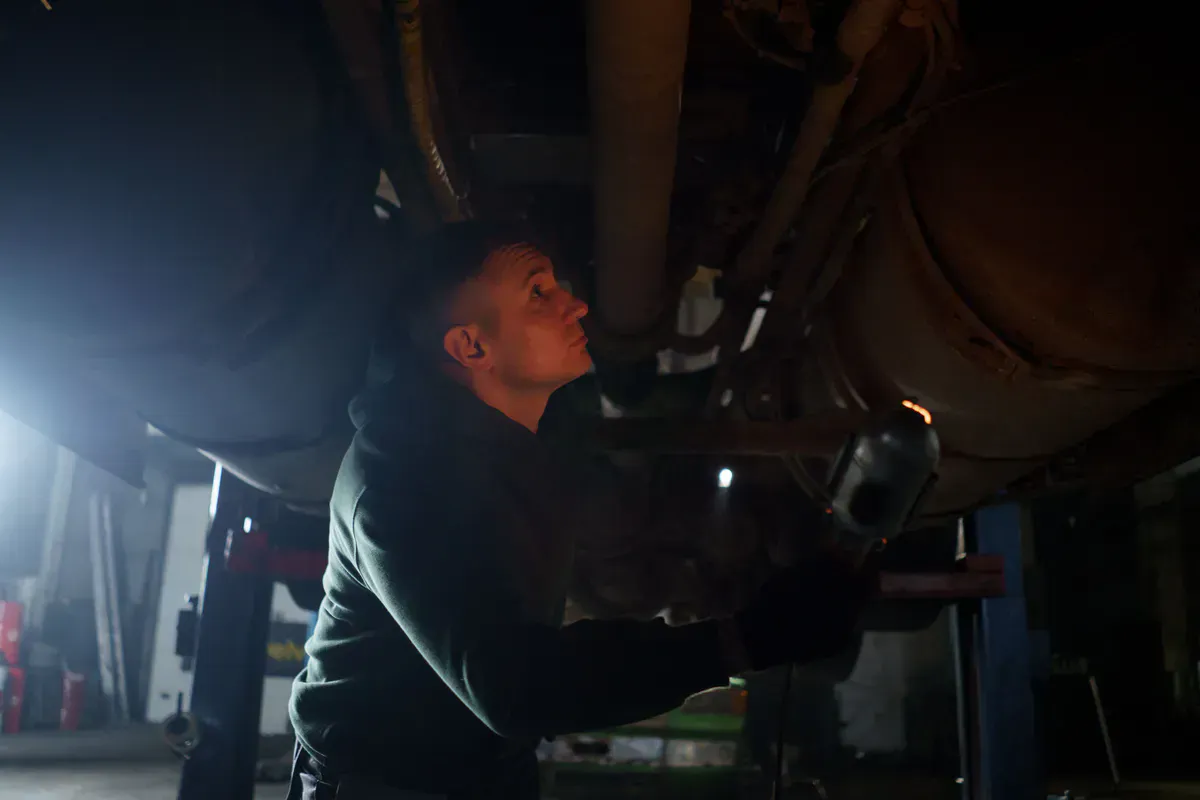
Cushion for concrete and soles that shrug off shop oil.

Landscapers
Waterproof builds with lugs that hold on slopes and wet turf.

Truck Drivers
Pedal feel, easy on and off, grip on diesel-slick lots.

Warehouse
Light safety toes for the miles you walk every shift.
Roofers
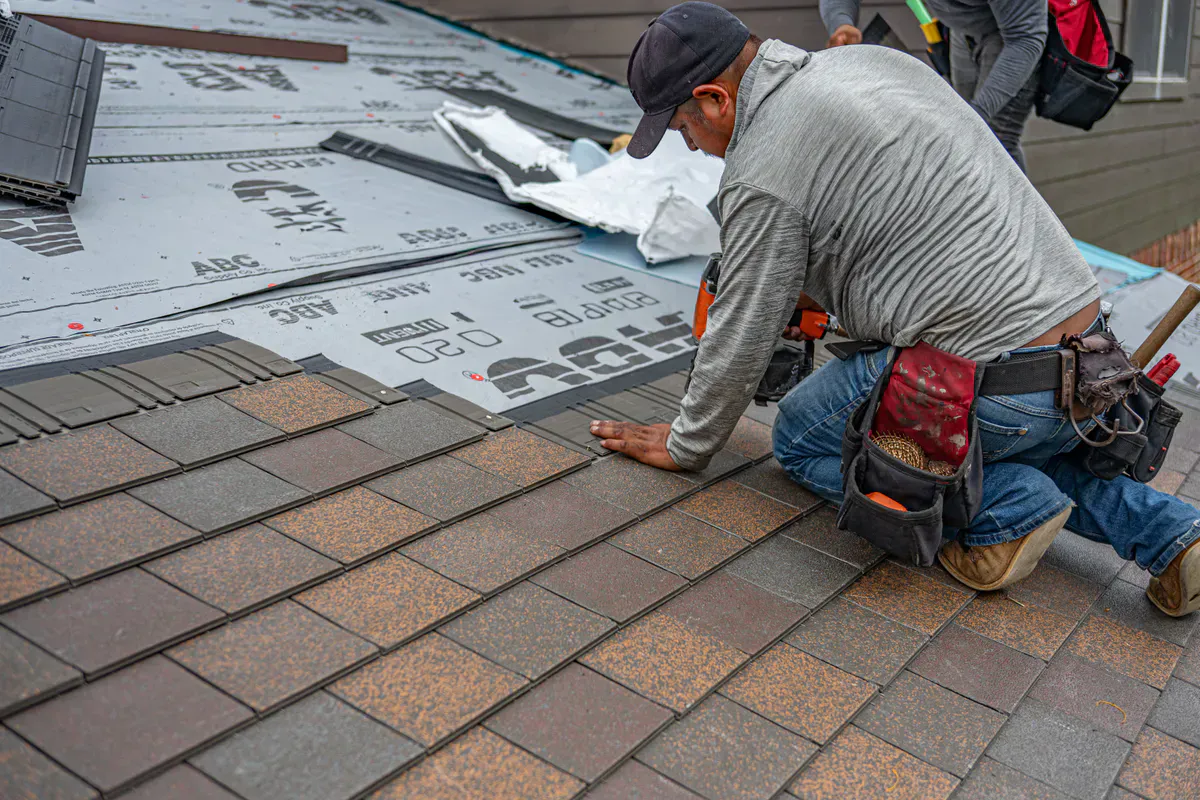
Soft, sticky soles that hold a pitch without grinding shingles.

Ironworkers
Stiff shanks that can stand on beam and bar all day.
Farm & Ranch
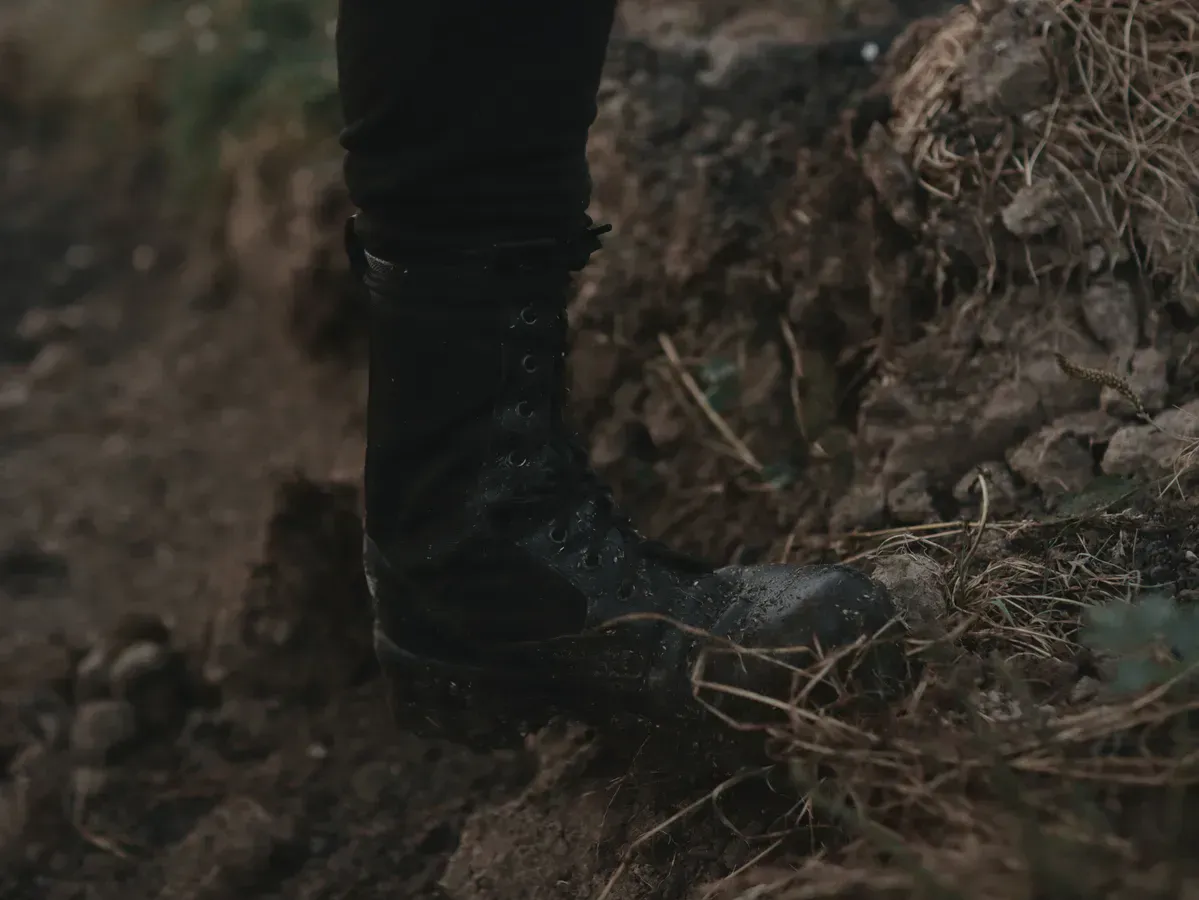
Chore boots for mud and stock that hose clean at the door.
Know the Spec Before You Pay for It
ASTM numbers, EH stamps, gram ratings. These guides translate the code into a buying decision, including when a spec is dead weight.
Start with the toe question- Read the comparison
Composite Toe vs Steel Toe
Both pass the same ASTM tests at the same rating. The real differences are weight, cold coming through the cap, and metal detectors. Read this one first.
- EH ratings explained
EH Rated Boots
What an Electrical Hazard stamp actually covers, plus the dry-conditions fine print most pick lists never mention.
- Waterproof guide
Waterproof & Insulated
Membranes against treated leather, and what gram ratings mean so you do not buy 800g insulation for a job where you never stop moving.
- Slip resistance guide
Slip Resistant
What makes an outsole grip a wet floor, which compounds actually hold on oil, and the honest truth about ice.
Fit First, Then Keep Them Alive
Fit is the spec under all the other specs, and the cheapest boot is the one you already own, kept working.
No Spec Survives a Bad Fit
A rated toe that crushes your forefoot gets left in the truck by Thursday. If your feet run wide or your arches sit low, start here before any pick list.
Make the Pair You Buy Last
Construction decides the ceiling. Cemented soles are glue-and-replace, welted boots resole for years more, and break-in done wrong shortens both.
How We Pick
Manufacturer spec sheets, safety standard documentation, and long-run owner reports. When a claim cannot be verified, we say so instead of repeating it.

A Fitter's Index, Not a Review Mill
The Boot Index is edited by Jordan Wells, who has spent twenty years wearing out boots on job sites and backcountry trails. The site exists because most boot advice is written by people who review boots, not people who wear them out. Every guide here is built to help you buy the right pair once and get back to work.