Work Boots, Indexed: by Trade, Spec, and Fit
Work boots get sold as one category, but the work is not one job. A roofer needs a soft outsole that sticks to shingles and stays flexible in a crouch. Put that same sole on warehouse concrete and it grinds flat in a couple of months. The boot is right or wrong only in relation to the work, which is why this index sorts by trade before anything else.
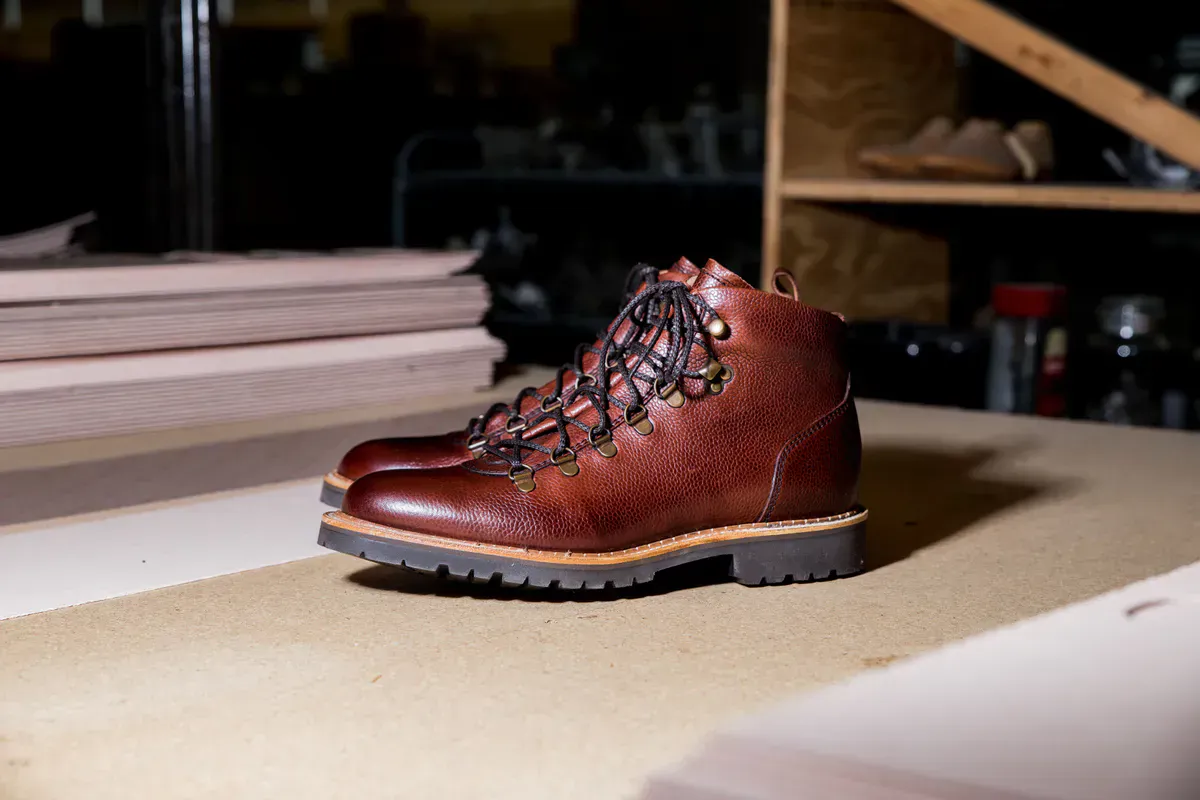
Boot Guides by Trade
The wrong pair costs more than its receipt. It costs a break-in that never ends because the last was never shaped like your foot, arch fatigue every afternoon on a slab floor, and a second purchase six months in. Every guide below exists to spend that money once. Start with your trade, check the spec guides for anything your site rules require, and if your feet run wide or flat, read the fit guides before you trust any pick list, ours included.

Welders
Boots that take spatter without holding it against you.
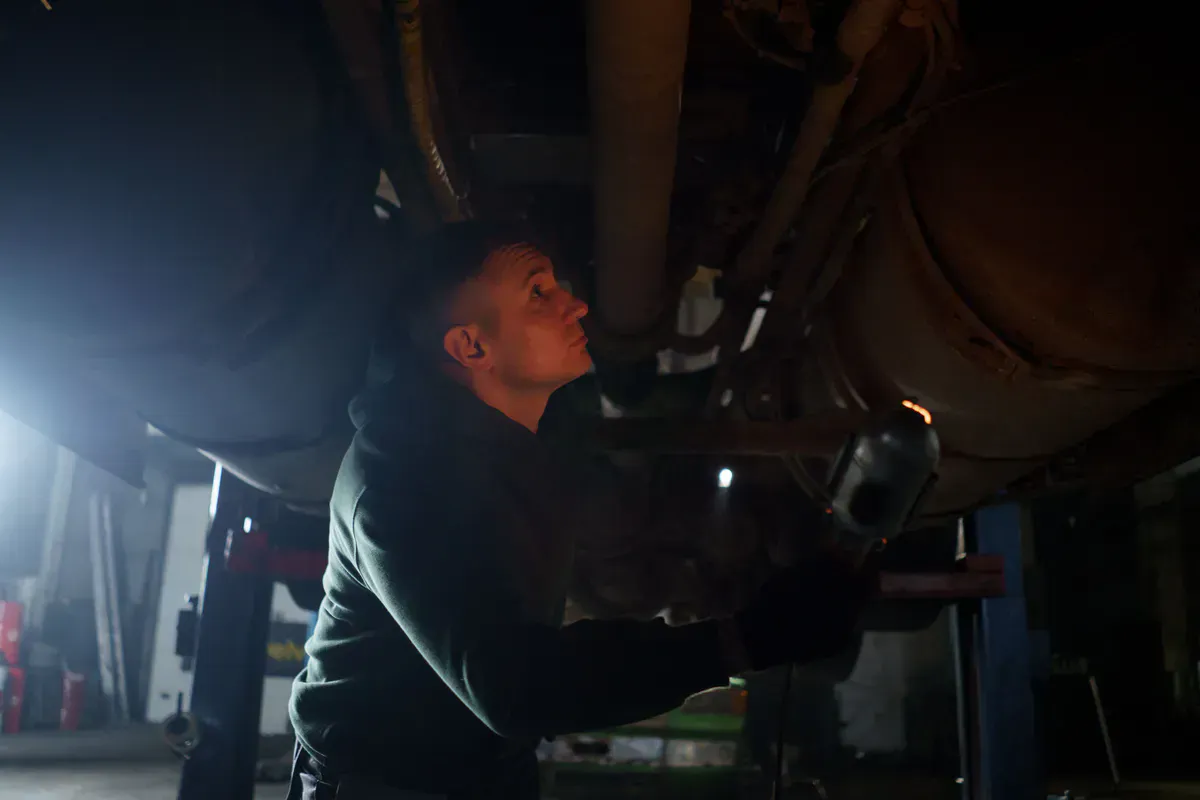
Mechanics
Eight hours on a slab floor with oil underfoot.

Landscapers
Wet grass at seven, dry dust by noon. Boots for both.

Truck Drivers
On and off forty times a day, with grip at every stop.

Warehouse
A walking job measured in miles. Every ounce counts.
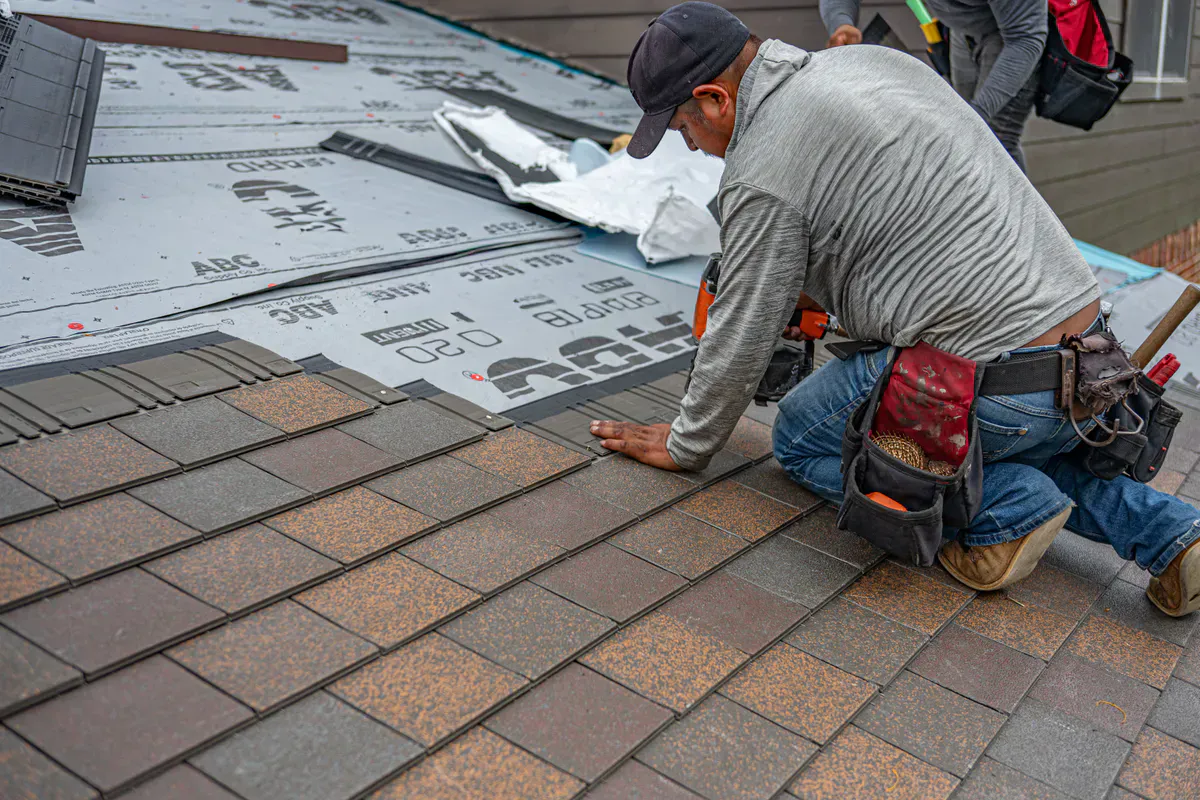
Roofers
Traction on a pitch beats every other spec up there.

Ironworkers
Standing on bar and beam edge takes a real shank.
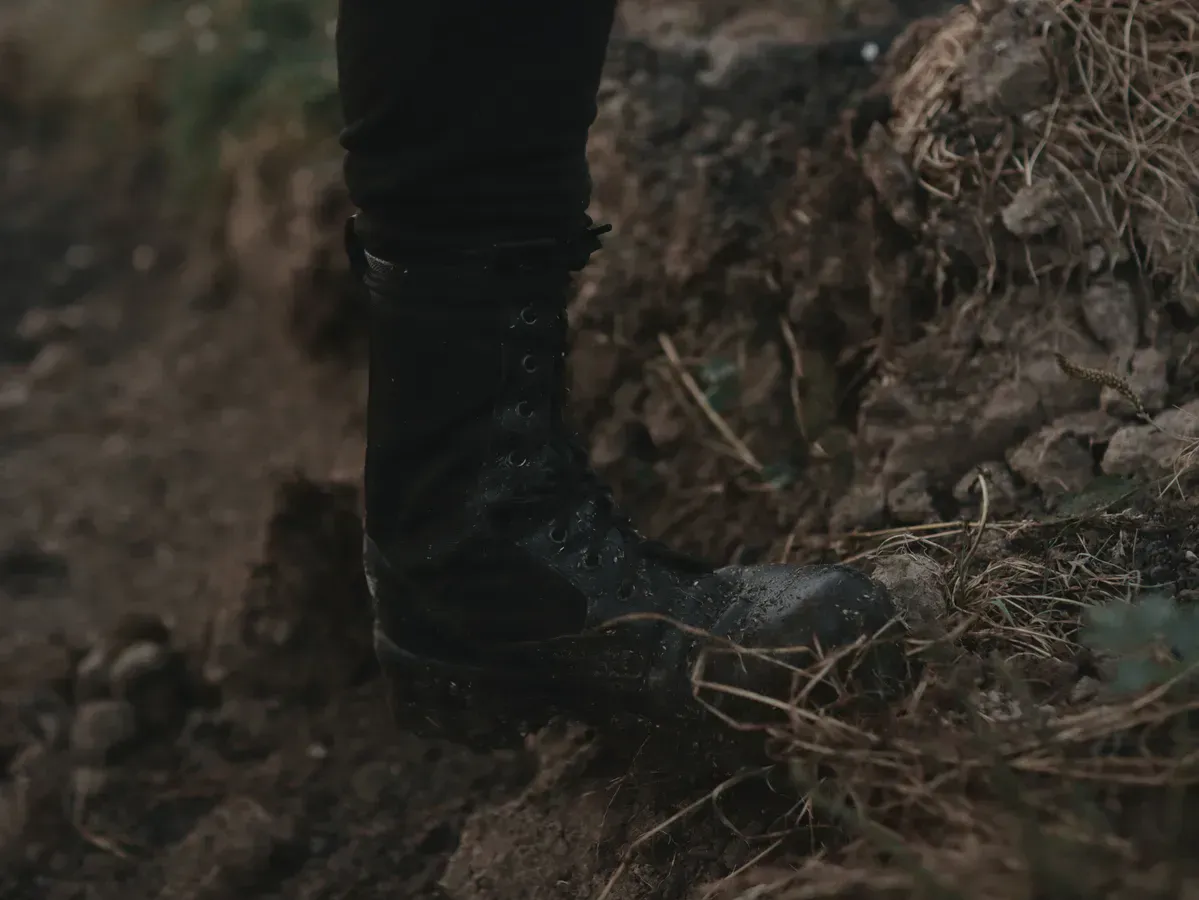
Farm & Ranch
Mud season is the real product test out here.
Boot Guides by Safety Spec
Specs decide what a boot is allowed to do, and the labels are written for compliance officers, not buyers. These four guides do the translating. The toe comparison is the spine of the set; the other three cover the stamps and claims you will see on nearly every listing.
- Read the comparison
Composite Toe vs Steel Toe
Same ASTM rating, same certified protection. What differs is weight, cold transfer, and what happens at a metal detector. Start here before any safety-toe purchase.
- EH ratings explained
EH Rated Boots
Electrical Hazard protection is real but narrower than the marketing implies. It is secondary protection, tested dry. Who needs the stamp and what it does not cover.
- Waterproof guide
Waterproof & Insulated
Membrane against treated leather, and insulation gram ratings decoded so you match the boot to your winter instead of the photo on the box.
- Slip resistance guide
Slip Resistant
Outsole compound and tread channels decide grip on wet and oily floors. Ice is a different problem, and we are honest about that part.
Boot Guides by Fit
Fit problems do not break in. A boot that is too narrow on day one is too narrow forever, and an arch that gets no support at week one gets none at month six. If either of these is your foot, these two guides will save you more money than any discount.
After You Buy
Two guides for the years after checkout. How long work boots last runs the honest replacement math, including when a resole beats a new pair. Break them in right covers the realistic timeline and the shortcuts that cost leather life.
And if you want to know how anything on this site gets picked in the first place, the method is documented on how we pick boots. No brand placement, no commission ranking.
Common questions
What are the most comfortable work boots on the market?
There is no single answer, because comfort is fit plus job match. A boot that feels great walking a warehouse can be wrong on a ladder. Start with your trade page here, then check the fit guides if you have wide or flat feet. The comfortable boot is the one shaped like your foot doing your job.
Are work boots good for standing all day?
A good pair is, if the sole has real cushioning and the boot fits. Standing trades put a different load on feet than walking trades, so look for supportive midsoles and consider an insole upgrade. Our warehouse and mechanics guides deal with concrete-floor comfort directly.
What is the best work boot for working on concrete?
Concrete punishes thin soles and heavy boots. You want cushioning in the midsole, a shock-absorbing heel, and the lightest safety toe your job allows, which usually means composite over steel. The mechanics and warehouse guides cover concrete-floor picks in detail.
Are work boots good for everyday wear?
Plenty of people daily-drive moc toes and wedge soles. The trade-off is weight and break-in. If you are not on a job site, you are carrying safety-toe weight for no reason, so a soft toe version of a work boot is usually the better everyday pick.